How Did Garland Earn This Designation?
At its August 4, 2026 City Council meeting, Garland received official recognition as a Film Friendly Texas Certified Community from the Office of the Governor’s Texas Economic Development and Tourism Office. The milestone has been celebrated and publicized throughout the month of August, marking a deliberate shift in how the city positions itself to outside industries.
The Film Friendly Texas program is administered at the state level and is designed to connect film and television production companies with communities that have done the groundwork to welcome them — meaning Garland did not simply apply and receive a rubber stamp. Certification signals that local government has developed the internal capacity, coordination, and hospitality infrastructure that professional productions require before they will commit crews, equipment, and budgets to a location.
For a city of Garland’s size in the Dallas-Fort Worth metroplex, the designation represents a considered investment of staff time and civic attention in an industry that tends to favor jurisdictions that make the logistical friction of filming as low as possible.
What Does the Certification Actually Require?
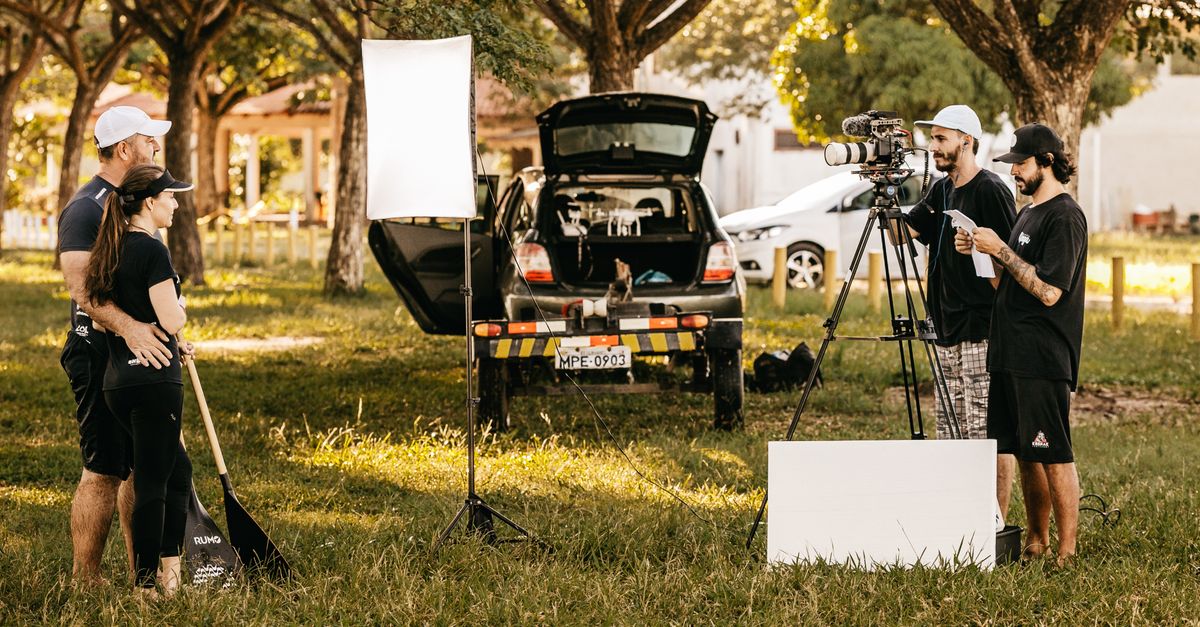
The Film Friendly Texas program, run through the Governor’s Economic Development and Tourism Office, evaluates whether a community has a functioning film liaison — a point of contact who can coordinate location scouting, permitting, and city-department communication on behalf of a production. Communities seeking certification typically demonstrate familiarity with the needs of productions ranging from independent short films to larger commercial and television shoots.
For Garland, the certification implies that the city has identified the internal processes needed to respond to a production company’s inquiry without the delays that can send a scout to the next city on the list. In a competitive regional market where productions can choose among dozens of DFW municipalities, response time and process clarity are often decisive factors.
The timing also reflects a broader statewide trend. Texas has steadily grown as a production destination over the past decade, and the Film Friendly Texas program has expanded its roster of certified communities accordingly. Garland’s entry into that roster puts it alongside other Texas cities that have made a formal commitment to the industry rather than treating film inquiries as one-off administrative interruptions.
Why Does This Matter Beyond the Film Industry?
The economic argument for film certification is straightforward: productions spend locally. Crew members fill hotel rooms, eat at restaurants, and rent equipment. When a commercial or television episode shoots in a location for several days, the spending is concentrated and measurable in a way that many other economic development tools are not.
But the less quantifiable benefit may matter just as much over time. Communities with active film histories tend to develop a recognizable visual identity. Viewers who see a Garland street or landmark on screen may not know the city by name, but the accumulation of those appearances builds a kind of ambient familiarity. For a city that sits immediately northeast of Dallas and is sometimes overlooked in regional cultural conversations, that kind of visibility carries real value.
Garland’s existing physical character also gives the certification practical teeth. The city encompasses a range of architectural styles and neighborhood types — from mid-century commercial corridors to newer suburban development — that can serve the needs of productions looking for specific looks without traveling far from the DFW production infrastructure hub.
How Does This Connect to Garland’s Broader Civic Momentum?
The film certification does not exist in isolation. Garland has spent recent months building out programs and recognitions that collectively signal a city actively investing in its public identity and resident services.
The Garland Public Libraries system, for instance, recently earned two significant grants: a Fiscal Year 2027 Special Projects Grant that will fund a dedicated outreach vehicle for literacy, school readiness, and workforce development resources, and a 2026 Texas Book Festival Texas Library Grant of $2,500 to expand the Spanish-language board book collection at Central Library. The library system has also launched the One Book, One Garland initiative, now in its third year, with this year’s selection being Dwelling by Emily Hunt Kivel.
Separately, the Curtis Culwell Center on Naaman Forest Boulevard continues to draw major touring productions, with Anirudh’s XV Tour stopping at the venue on August 28 and Matute’s Disco Stereo Tour arriving August 29. These events reflect the venue’s established capacity to host productions that require significant technical and logistical coordination — precisely the kind of institutional infrastructure that makes a city more attractive to film and commercial productions as well.
The Film Friendly Texas certification, viewed alongside these developments, suggests a city working on multiple fronts to expand what it can credibly offer — to residents, to visitors, and now formally to the film industry.
What Should Residents Expect Next?
Certification is a beginning rather than a conclusion. Film Friendly Texas communities that remain active in the program typically maintain their liaison function, market themselves at industry events, and build relationships with production companies and location scouts over time. The payoff is often gradual rather than immediate — a commercial here, an independent film there — before a community develops enough of a track record to attract larger productions.
For Garland residents, the most immediate practical effect may simply be increased awareness of the program and the city’s new position within it. If a production appears in a local neighborhood, or if a city permit for filming shows up in the public record, the certification provides the context for understanding why Garland is equipped to handle it.
More broadly, the designation reflects a form of civic confidence — the decision to pursue recognition in a competitive, creative industry rather than defaulting to the assumption that such things happen elsewhere. In that sense, the Film Friendly Texas certification functions as much as a statement of intent as it does an administrative credential.